

آثارِ نازنین قهرمانی
در مرکز آثار هنری نازنین قهرمانی، کاوشی مستمر در صمیمیترین وجوه زندگی انسانی قرار دارد: خود، خانواده و فضای خانگی. این آثار اگرچه به فضای شخصی و خانوادگی تعلق داردند، اما از آن فراتر میروند و تبدیل به دستمایه ای میشوند که میتوان از خلالشان به بازبینی مهمترین جنبههای زندگی انسانی، مانند هم زیستی، نزدیکی، روزمرگی و فاصله پرداخت. او با استفاده از رویکردهای خودپژوهی و خود مردمنگارانه، روزمرگیهای تکرارشونده ی زندگی را با دقت مشاهده می کند و به تصویر میکشد و خانه را مکانی مییابد که صرفا مکانی برای زیستن نیست، بلکه فضایی است که در آن هویت پیوسته در حال شکلگیری، مذاکره و بازتعریف است. طراحیها و نقاشیهای او یادآور این نکته هستند که امر روزمره هرگز خنثی نیست؛ در پس حرکتهای آشنا و عادتهای تکراری پرسشهایی عمیقا جدی دربارهی حافظه، هم زیستی، تعلق و جنسیت نهفته است.
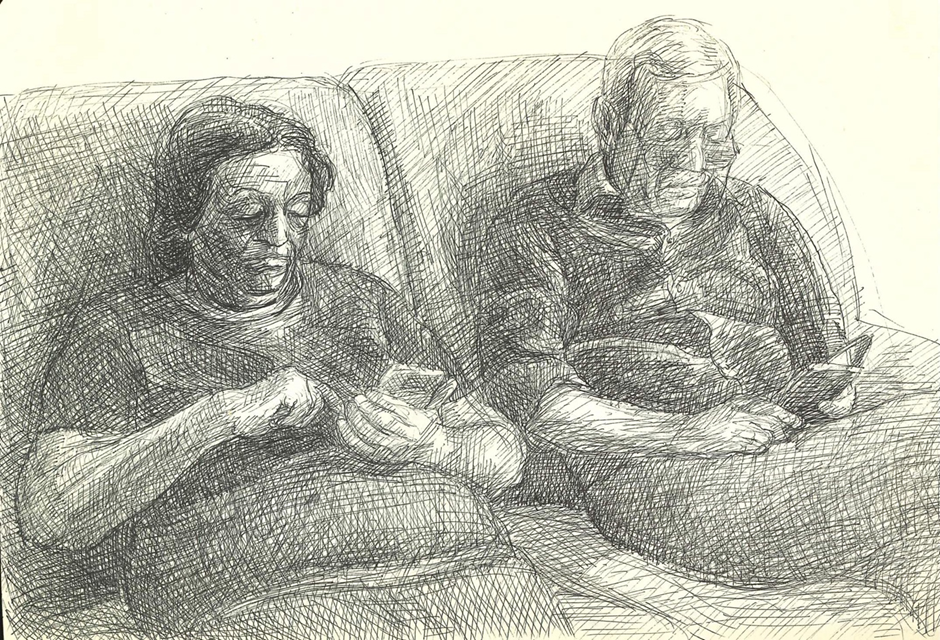
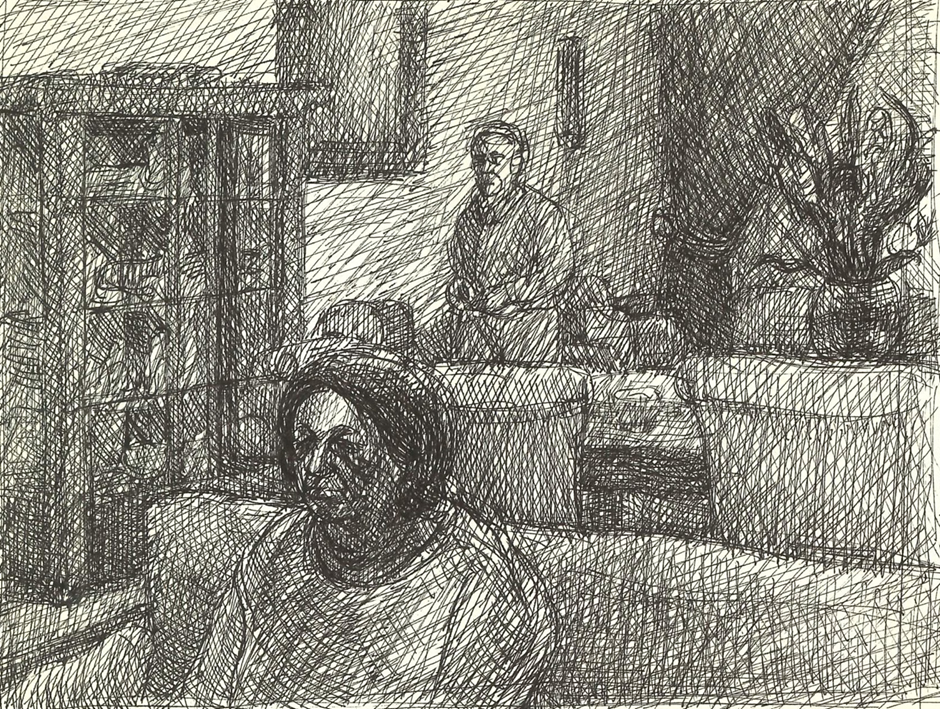
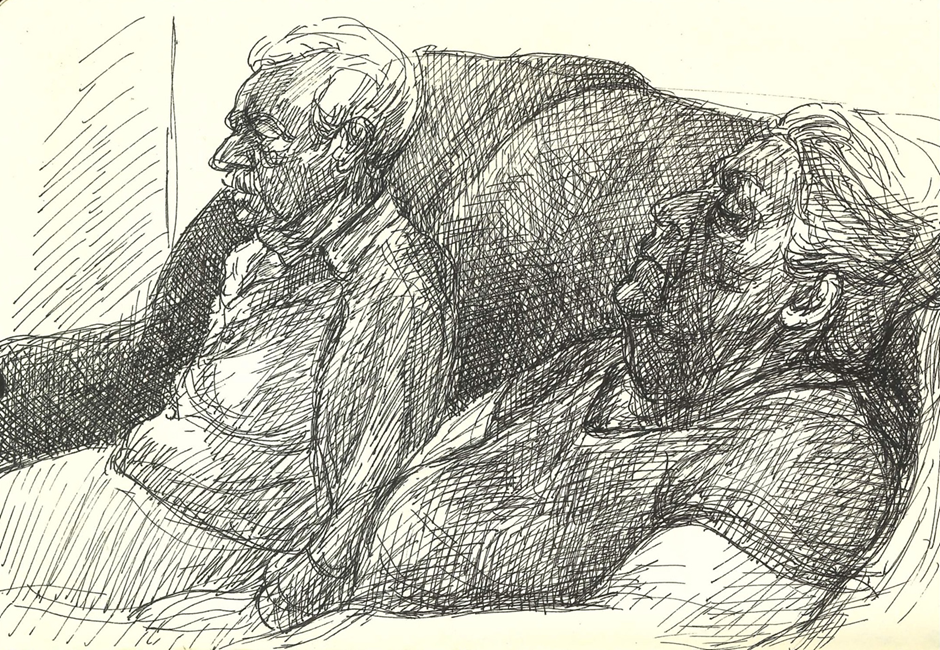
در مجموعهی «دوتاییها: هارمونی های امر پیشپا افتاده»، قهرمانی توجه خود را به زیست دو نفر در یک فضای محدود معطوف کرده است. پدر و مادر او به سوژههایی تکرارشونده تبدیل شدهاند که در لحظات استراحت، فعالیتهای خانگی و همزیستی به صورتی خاموش حضور دارند و نقش ایفا میکنند. در این روایتهای واقعگرایانه، هیچ حادثه و نمایشی در کار نیست و طراحیها بیشتر بر حضور ذهنی، روانی و البته تنشِ خاموشِ بین تنهایی اشاره دارد که در کنار هم زیست میکنند. نزدیکی جسمانی آنها نه حاکی از صمیمیت است و نه حاکی از عدم وجود صمیمیت. همزمان نوعی نزدیکی و نوعی از فاصله و جدایش بین سوژهها قرار دارد. خانه به آزمایشگاهی کوچک تبدیل میشود که مناسبات انسانی را مدام میآزماید؛ جایی که رابطه ی بین خود و دیگری در بستر شرایط عادی و روزمرهی زندگی در کشاکش مداوم قرار می گیرد.
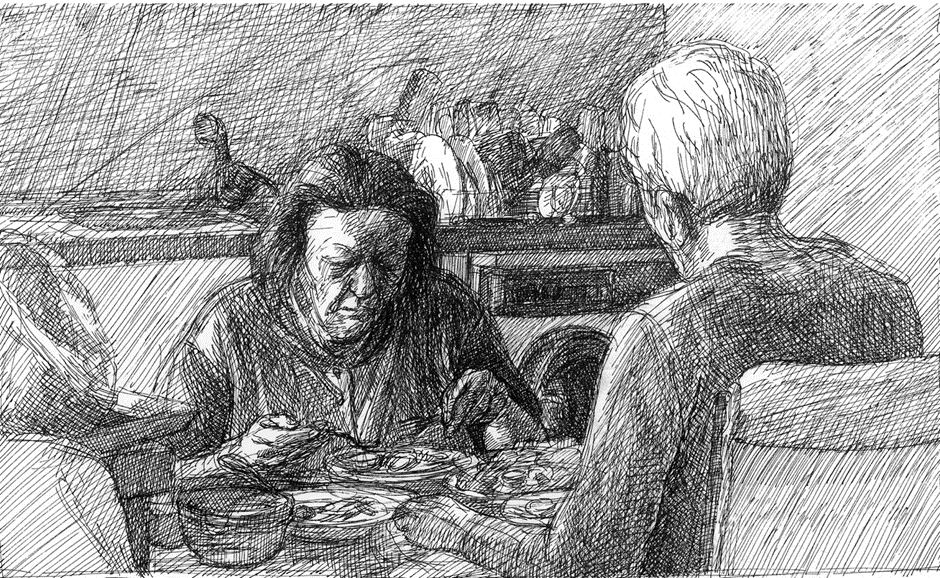
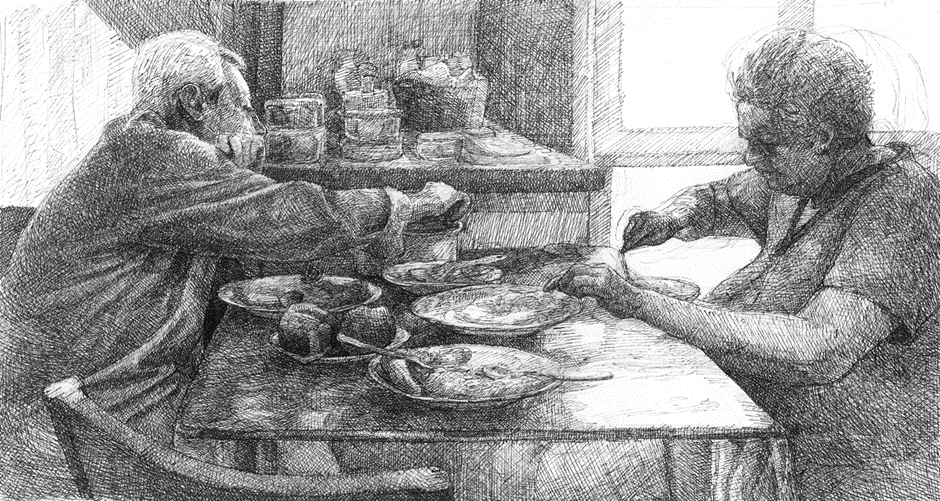
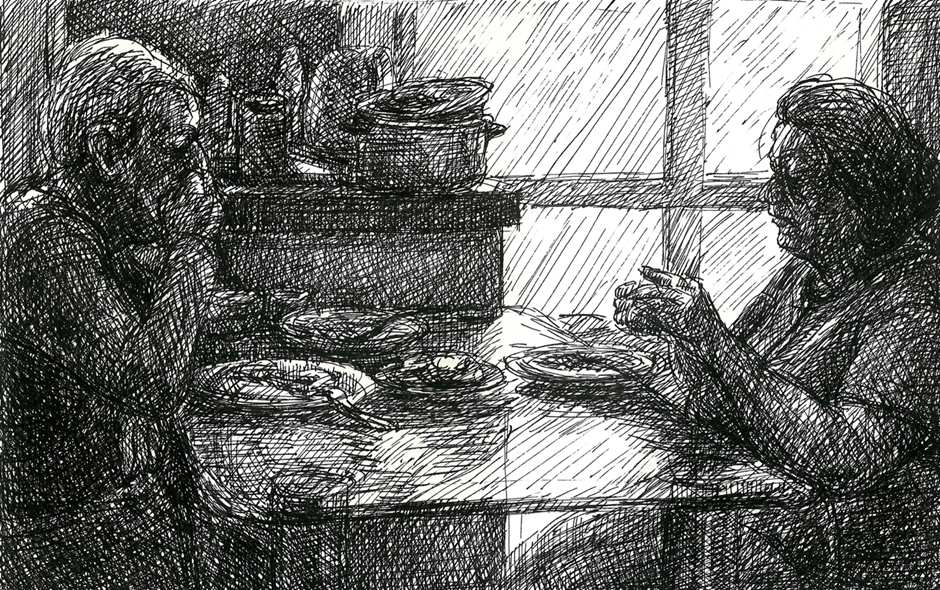
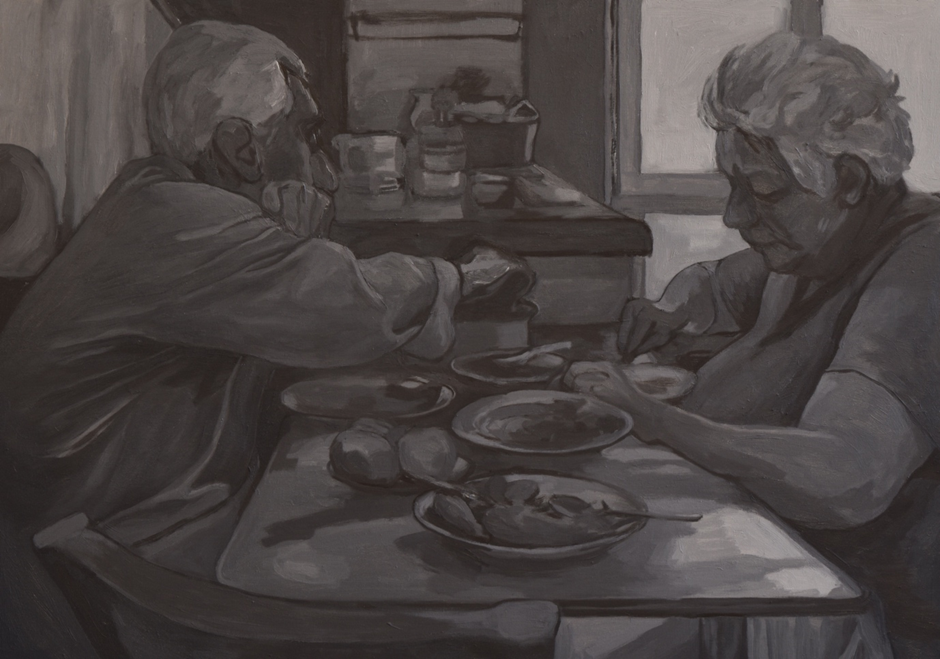
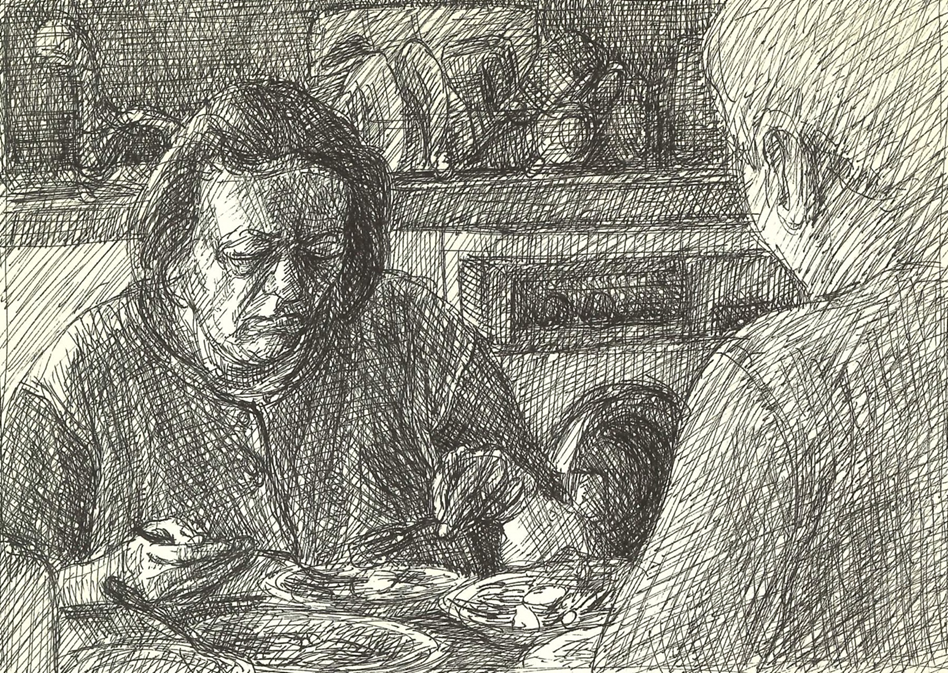
این تنش و کشاکش مداومِ امر روزمره بین تنها، به ویژه در «هارمونیهای غذاخوردن» آشکار است؛ بخشی از مجموعه که پدر و مادر هنرمند را در در لحظات غذاخوردن در کنار هم به تصویر میکشد. غذا خوردن یکی از بنیادیترین و روزمره ترین فعالیتهای انسانی است که تداوم حیات انسانی به آن وابسته است، و در عین حال آیینی اجتماعی نیز هست که افراد را در لحطات خاص کنار یکدیگر جمع میکند و پیوندهای میان آنها را عیان میکند. در اطراف پیکرههای طراحیهای شده، ظروف غذا دیده میشود و پیکرهها در حال داد و ستد با محیط اطراف؛ هر یک در مواجهه و مناسبت با محیط اطراف خود و اشیا قرار دارد. آنها فضایی واحد را اشغال میکنند اما تجربهی هر یک همچنان ماهیتی متمایز و فردی دارد.
آنچه این طراحیها به ما مینمایانند تصویری دوپهلو از زیستن در کنار یک دیگر است. وعدهی غذایی که عموما با صمیمیت و معاشرت خانوادگی پیوند خوردهاست، به صحنه ای بدل میشود که در آن نزدیکی جسمانی صرفا به معنای برقراری ارتباط نیست. با این حال، فقدان تعامل بین پیکرهها را نیز نمیتوان به سادگی نشانه ی بیگانگی و از خودبیگانگی دانست. سکوت بین پیکرهها بیشتر از این که به چگونگی رابطه ی میان آنها اشاره کند، به خودِ تنش میان تنها در مواجهه با دیگری اشاره دارد؛ به امر روزمرهی مواجهه با دیگری و همزیستی. قهرمانی کیفیت این مواجهه را حلنشده باقی میگذارد و مخاطب را با این پرسش روبرو میکند که آیا این هم زیستی بیانگر آسودگی و پذیرش است، یا شکلی از فقدان معنا در ارتباط تکراری و هر روزه با دیگری، و شکلی از وطیفهی اجتماعی.
تکرار و روزمرگیِِ عمل غذاخوردن را میتوان همچنین تاملی دانست بر ماهیت دایرهوار هستی: فعالیتی یکسان هر روز تکرار میشود، زندگی را تداوم میبخشد و در عین حال به وطیفهای تکرارشدنی و گاه خستهکننده و خاموش تبدیل میشود که باید به صورت پیوسته و مدام تکرار شود؛ تلاشی مداوم برای بودن. از این منظر آثار قهرمانی و توجه او به ضرورت و تکرار، صحنهی آشنای غذاخوردن در فیلم سیاه و سفید بلا تار، اسب تورین، را به یاد میآورد؛ جایی که عمل روزمرهی غذاخوردن به نمادی از ضرورت و سنگینیِ ادامه به زندگی تبدیل شدهاست. با این حال، صحنههای خانگی غذاخوردن در آثار قهرمانی از نظر عاطفی کمتر به قطعیت نزدیکاند: وعدهی غذایی روزمره نه تصویری آرمانی میشود از مناسبات عاطفی خانواده، و نه روالی سرکوبگر و طاقتفرسا، بلکه به فضایی تبدیل میشود که در آن تجربههای متناقض بودن در کنار دیگری نشان داده میشوند: وابستگی و جدایش، صمیمیت و بیگانگی، و هویتی که مدام در مواجهه با دیگری کم و بیش میشود؛ دادو ستدی از جنس هویت میان انسانها.
انسانها در طول سالهای بیشمار زندگی در کنار یکدیگر، عادت ها، ریتمها و شیوه های مشترکی برای حضور و حرکت در فضا پیدا میکنند؛ زندگیها و هویتهایشان مدام در دیگری تنیده میشود و شاید بتوان از یک هویت مشترک خانوادگی سخن گفت. اما قهرمانی در تصاویرش در برابر این تنیدگی و هویت مشترک مقاومت می کند. پیکرههای او از نظر جسمانی و روانی متمایز باقی میمانند؛ آنچه بیش از همهچیز خودش را نشان میدهد کشاکشی باقی میماند که مدام بین پیکرهها در رفت و آمد است.
از نظر فرمی نیز قهرمانی این دغدغهها را با پالت رنگی محدود و تکنیک سیاه و سفید قلم فلزی خود نشان میدهد: خطوطِ درهم تنیده و فرمهای سنگین که در جای خود باقی میمانند و تنشی که در ظرافت و درهم تنیدگی خطوط دیده میشود. شبکههای متراکم هاشورهای متقاطع و انباشت حضور، ریتمی بصری پدید میآورد که بازتابی از درهم تنیدگی و انباشت در فضای خانوادگی است. در سراسر مجموعه، ترکیببندیهایی مشابه با تفاوتهایی ظریف تکرار میشوند و نگاه مخاطب را به تکرارپذیری و روزمرگی، و در عین حال تفاوتهای کوچک نهفته در روالهای آشنا جلب میکنند. محیط اطراف هم، مانند میز غذاخوردی، مبلمان، ظروف و اشیا، به اجزایی فعال در ترکیببندی تبدیل میشوند که روابط میان پیکرهها را سامان میدهند و شرایط مواجههی آنها با یک دیگر را شکل میبخشند. در نهایت، «هارمونیهای غذاخوردن» در پی حل و فصل تناقض های زندگی خانوادگی نیست، بلکه مخاطب را دعوت می کند تا از خلال تصاویر، در امر روزمره بازبینی کند و آن را عرصه ی مداوم مذاکره بین صمیمت و فاصله، فردیت و زیست مشترک ببیند. قهرمانی از راه مشاهدهی مستمر و دقت تکنیکی، لحظات آشنای زندگی خانگی را به تصاویری تبدیل میکند که پرسشهایی بنیادین را پیش میکشند: چگونه در کنار دیگران زندگی میکنیم؟ هویت ما چگونه از راه تکرار و روزمرگی شکل میگیرد؟ و چگونه آیینهای به ظاهر بیاهمیت زندگی روزمره به ماده و جوهرهی اصلی روابط انسانی بدل میشوند؟
Harmonies of Eating and the Relations of Everyday Life
The Works of Nazanin Ghahramani
At the centre of Nazanin Ghahramani’s artistic practice lies a sustained exploration of the most intimate aspects of human life: the self, the family, and the domestic space. Although her works emerge from a personal and familial context, they extend beyond it, offering a way to reconsider some of the most fundamental aspects of human existence, such as coexistence, proximity, everyday routines, and distance. Drawing on self-reflective and autoethnographic approaches, Ghahramani closely observes and depicts the recurring patterns of daily life, approaching the home not simply as a place to live, but as a space in which identity is continually formed, negotiated, and redefined. Her drawings and paintings remind us that the everyday is never neutral; beneath familiar gestures and repetitive habits lie profound questions about memory, coexistence, belonging, and gender.
In Duet: Harmonies of the Banal, Ghahramani turns her attention to the lives of two individuals sharing a confined space. Her parents become recurring subjects, appearing in moments of rest, domestic activity, and quiet coexistence. There is little sense of event or drama in these realist depictions. Instead, the drawings focus on the psychological and emotional presence of the figures, and the quiet tension between two individuals living alongside one another. Their physical proximity suggests neither intimacy nor its absence. Rather, closeness and distance seem to exist simultaneously between them. The home becomes a small laboratory of human interaction, a place where relationships are constantly tested and where the encounter between self and other remains in a state of continuous negotiation within the ordinary circumstances of everyday life.
This ongoing tension between individuals is particularly evident in Harmonies of Eating, a series of drawings depicting the artist’s parents sharing meals. Eating is one of the most fundamental and ordinary human activities, essential to the continuation of life. At the same time, it is a social ritual that brings people together at particular moments and makes the bonds between them visible. In Ghahramani’s drawings, dishes and plates surround the figures, who engage with their immediate environment, each absorbed in their own relationship with the objects and space around them. Although they occupy the same space, their experiences remain distinctly individual.
What these drawings reveal is an ambiguous image of living alongside another person. The shared meal, conventionally associated with familial intimacy and sociability, becomes a scene in which physical proximity does not necessarily imply connection. Yet the absence of interaction between the figures cannot simply be interpreted as alienation or estrangement. Rather than revealing the particular nature of their relationship, the silence between them points towards the tension inherent in the encounter between individuals: the ordinary, repeated experience of facing another person and sharing a life with them. Ghahramani leaves the nature of this encounter unresolved, inviting the viewer to question whether such coexistence expresses comfort and acceptance, or perhaps a loss of meaning within the repetitive experience of everyday interaction, where being together becomes a form of social obligation.
The repetition and ordinariness of eating can also be understood as a reflection on the cyclical nature of existence. The same activity is repeated each day, sustaining life while gradually becoming a recurring, sometimes exhausting and silent obligation that must be performed again and again: a continuous effort simply to exist. In this respect, Ghahramani’s attention to necessity and repetition recalls the familiar eating scene in Béla Tarr’s black-and-white film The Turin Horse, where the everyday act of eating becomes a symbol of the necessity and weight of continuing to live.
Yet the domestic scenes in Ghahramani’s work remain more emotionally ambiguous. The everyday meal is neither an idealised image of familial affection nor a purely oppressive and exhausting routine. Instead, it becomes a space in which the contradictory experiences of living alongside another person are brought into view: dependence and separateness, intimacy and estrangement, and an identity that is continually altered, expanded, or diminished through encounters with others. What emerges is a constant exchange between individuals, an exchange that takes place at the very level of identity.
Over the course of countless years spent living together, people develop shared habits, rhythms, and ways of inhabiting and moving through space. Their lives and identities become increasingly intertwined, perhaps giving rise to something that could be called a shared familial identity. Yet in her drawings, Ghahramani resists this merging of identities into a unified whole. Her figures remain physically and psychologically distinct. What becomes most apparent is the tension that persists between them, continually moving back and forth, never entirely resolved.
Formally, Ghahramani reinforces these concerns through her restrained palette and black-and-white pen-and-ink technique. Interwoven lines and weighty forms remain fixed in place, while a sense of tension emerges from the delicacy and intricate entanglement of the marks. Dense networks of cross-hatching and the accumulation of forms create a visual rhythm that echoes the interwoven and layered nature of domestic life.
Throughout the series, similar compositions recur with subtle variations, drawing the viewer’s attention to repetition and routine, while also revealing the small differences hidden within familiar patterns. The surrounding environment—the dining table, furniture, dishes, and everyday objects—becomes an active part of the composition, organising the relationships between the figures and shaping the conditions of their encounters with one another.
Ultimately, Harmonies of Eating does not seek to resolve the contradictions of domestic life. Instead, it invites viewers to reconsider the everyday through these images, recognising it as a space of continuous negotiation between intimacy and distance, individuality and shared existence. Through sustained observation and technical precision, Ghahramani transforms familiar moments of domestic life into images that raise fundamental questions: How do we live alongside others? How is our identity shaped through repetition and everyday routines? And how do the seemingly insignificant rituals of daily life become the very substance of human relationships?
نویسنده : محمد شمس
تاریخ انتشار 13 آبان 1405