
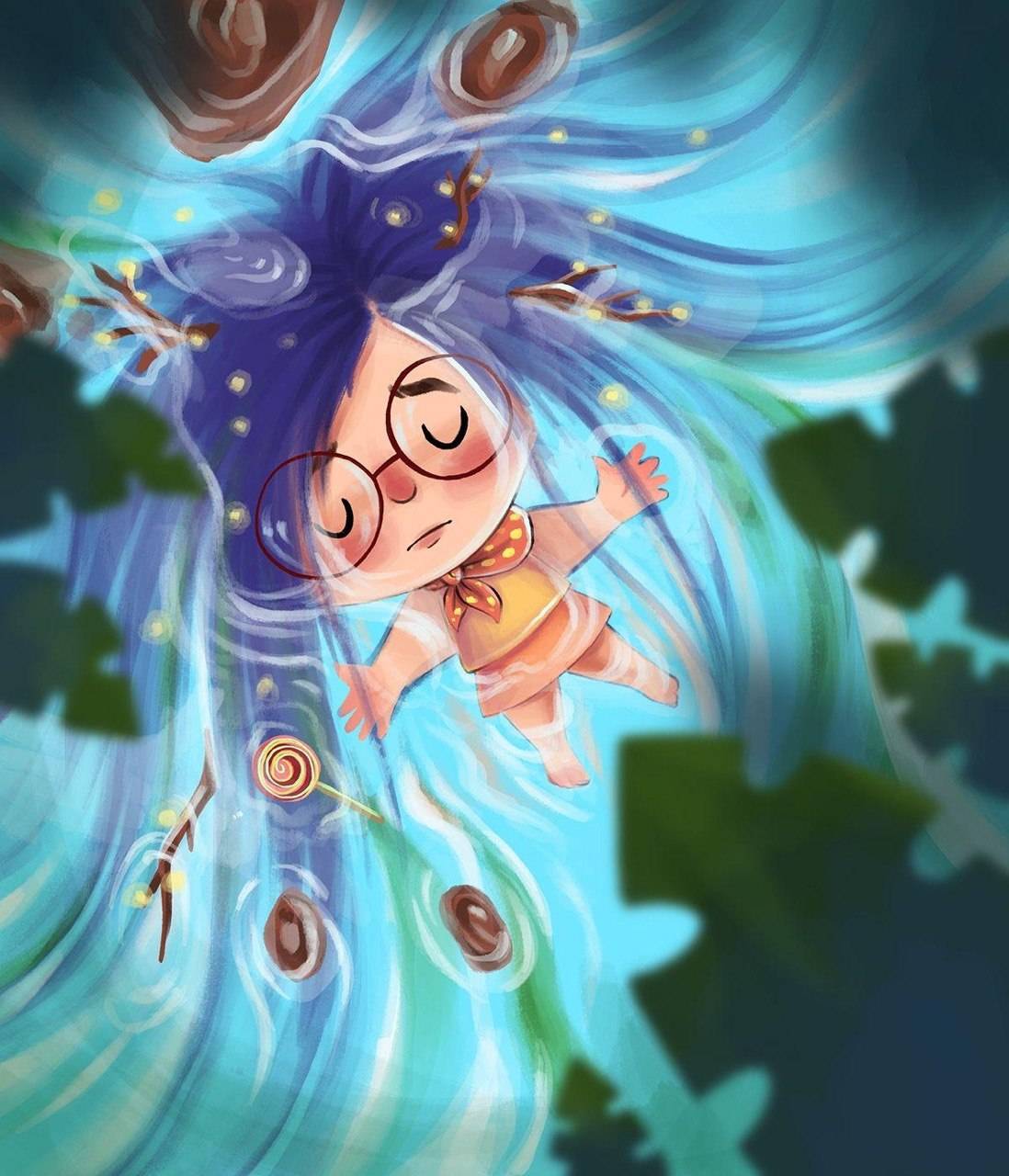
از تصویر تا جهان؛ تأملی بر زبان تصویری منظر سزاوار
در مواجهه با آثار یک هنرمند، نخستین پرسشی که برای من به عنوان هنرمند و کسی که سالها در حوزه هنر و اقتصاد هنر فعالیت کردهام، مطرح میشود این نیست که «این اثر چقدر زیباست»؛ بلکه این است که آیا هنرمند توانسته است زبان شخصی خود را پیدا کند؟
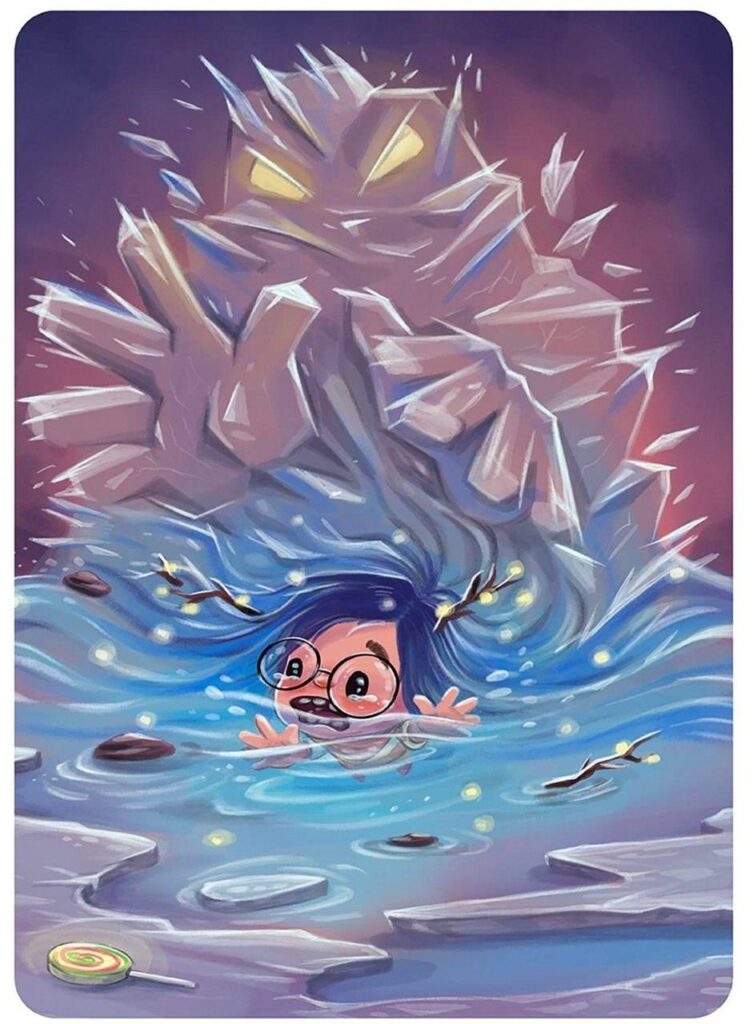
به باور من، ارزش واقعی یک هنرمند زمانی آشکار میشود که اثر او بتواند فراتر از مهارت تکنیکی، مخاطب را وارد یک تجربه بصری و احساسی کند. از این منظر، مجموعه آثار منظر سزاوار در نمایشگاه «به سوی روشنایی» قابل تأمل است؛ مجموعهای که در آن تصویر صرفاً وسیلهای برای نمایش یک موضوع نیست، بلکه تلاشی است برای ساختن یک جهان تصویری.
تصویرگری؛ فراتر از زیبایی
تصویرگری، بهخصوص تصویرگری برای کودک، در نگاه نخست ممکن است حرفهایی وابسته به طراحی و رنگ به نظر برسد؛ اما در واقع، یکی از دشوارترین شاخههای هنر تصویری است. تصویرگر باید بتواند میان تخیل، روایت، روانشناسی مخاطب، ترکیببندی و جذابیت بصری تعادل برقرار کند. «تصویر روایتگر» و رسیدن به «تصویر زیبا» آنچه در آثار منظر سزاوار برای من اهمیت دارد، همین تلاش برای عبور از است است. در آثار او، شخصیتها صرفاً عناصر تزئینی نیستند. نگاه، حالت بدن، نسبت شخصیتها با یکدیگر و حتی سکوت میان آنها، بخشی از روایت را شکل میدهد. این مسئله بهویژه در تصویرگری کودک اهمیت دارد؛ زیرا کودک پیش از آنکه متن را بخواند، تصویر را میبیند و از طریق آن با جهان داستان ارتباط برقرار میکند. به اعتقاد من، یکی از نقاط قوت سزاوار این است که تلاش میکند احساس را پیش از توضیح منتقل کند. کودک، مخاطبی که نباید دستکم گرفته شود.
یکی از اشتباهات رایج در تصویرگری کودک، ساده انگاشتن مخاطب است. گاهی تصور میشود چون مخاطب کودک است، تصویر باید الزاماً ساده، پررنگ، شلوغ و سرشار از عناصر جذاب باشد. اما کودک مخاطب سادهای نیست. کودک جهان را با جزئیاتی متفاوت از بزرگسال میبیند و نسبت به حالات چهره، رنگ، نور، حرکت و روابط میان شخصیتها حساس است. از این منظر، در آثار منظر سزاوار نوعی تلاش برای احترام گذاشتن به هوش بصری و عاطفی کودک دیده میشود. او به جای آنکه همه چیز را توضیح دهد، در بعضی آثار فضایی برای کشف و خیال باقی میگذارد؛ و همین فضای خالی میتواند یکی از نقاط قوت زبان تصویری او باشد.
شخصیتهایی که فقط «کشیده» نشدهاند
برای من، شخصیتپردازی مهمترین بخش قابل بررسی در آثار این هنرمند است. شخصیت موفق در تصویرگری، صرفاً کاراکتری با ظاهر جذاب نیست. شخصیت باید بتواند در ذهن مخاطب ادامه پیدا کند. باید بتواند احساس ایجاد کند و حتی پس از پایان مواجهه با تصویر، در ذهن مخاطب باقی بماند. در آثار سزاوار، شخصیتها اغلب دارای ویژگیهای عاطفی مشخص هستند و تلاش شده است از طریق چهره، چشمها، حالت بدن و رابطه میان شخصیتها، بخشی از روایت منتقل شود. این موضوع نشان میدهد که هنرمند به تدریج از مرحله «طراحی کاراکتر» به سمت شخصیتپردازی روایی حرکت کرده است؛ تفاوتی که از نظر من برای ادامه مسیر حرفهای او بسیار مهم است.
رنگ؛ عنصر روایت، نه تزیین
رنگ در آثار تصویری سزاوار صرفاً یک انتخاب زیباییشناسانه نیست. در بسیاری از آثار، رنگ وظیفه ایجاد فضا و انتقال احساس را بر عهده دارد. استفاده از طیفهای رنگی، تضاد روشنایی و تاریکی و کنترل فضای پسزمینه باعث میشود نگاه مخاطب به سمت شخصیت یا نقطه اصلی تصویر هدایت شود. نیز از این منظر قابل تأمل است. «به سوی روشنایی»، عنوان نمایشگاه، میتواند تنها یک عنصر بصری نباشد؛ بلکه مفهومی نمادین نیز پیدا کند. حرکت از تاریکی به نور، از ابهام به کشف، از ترس به آرامش و از تنهایی به ارتباط، ظرفیت آن را دارد که به یکی از لایههای مفهومی مجموعه تبدیل شود. اگر این رویکرد در ادامه مسیر هنرمند آگاهانهتر و منسجمتر دنبال شود، میتواند به شکلگیری یک نظام معنایی شخصی در آثار او منجر شود.
نقاشی دیجیتال؛ تکنولوژی یا زبان؟
نکته دیگری که در بررسی آثار منظر سزاوار نمیتوان از کنار آن گذشت، استفاده از نقاشی دیجیتال است. امروز ابزار دیجیتال امکانهای بسیار گستردهای در اختیار هنرمند قرار داده است؛ اما در مقابل، یک خطر جدی نیز وجود دارد: اینکه تکنولوژی جای زبان هنرمند را بگیرد. از نظر من، ارزش یک اثر دیجیتال در میزان پیچیدگی نرمافزار یا جلوههای تکنیکی آن نیست. پرسش اصلی این است که آیا ابزار در خدمت اندیشه و احساس هنرمند قرار گرفته یا خیر. در آثار سزاوار، آنچه اهمیت دارد این است که ابزار دیجیتال صرفاً برای نمایش توانایی تکنیکی استفاده نشده و تلاش شده است از آن برای ساخت فضا، نور، شخصیت و روایت استفاده شود. با این حال، به نظرم مسیر آینده این هنرمند میتواند از همین نقطه، جدیتر و شخصیتر شود؛ یعنی فاصله گرفتن بیشتر از زیباییشناسیهای رایج تصویرسازی دیجیتال و رسیدن به امضای بصری کاملاً شخصی.
میان تصویرسازی و هنرهای تجسمی
برای من، یکی از جذابترین جنبههای این مجموعه، قرار گرفتن آن در مرز میان تصویرگری و هنرهای تجسمی است. تصویرگری معمولاً در ارتباط با یک متن یا روایت تعریف میشود؛ اما هنگامی که یک تصویر بتواند بدون وابستگی کامل به متن، احساس و معنا ایجاد کند، وارد قلمرو گستردهتری از هنرهای تصویری میشود. آثار منظر سزاوار در بعضی موارد چنین ظرفیتی را نشان میدهند. این ظرفیت میتواند در آینده به او اجازه دهد تا علاوه بر تصویرگری کتاب کودک، در حوزههایی مانند طراحی شخصیت، کتاب تصویری، انیمیشن، پوستر، بازیهای تصویری و حتی پروژههای بینارشی نیز تجربههای تازهای داشته باشد.
آنچه برای آینده مهم است
من در نقد یک هنرمند، بیشتر از آنکه به نقطهای که امروز در آن ایستاده توجه کنم، به مسیر پیش روی او فکر میکنم. به اعتقاد من، منظر سزاوار از مرحلهای عبور کرده است که صرفاً بتوان او را بر اساس مهارت طراحی و اجرای تصویرسازی ارزیابی کرد. اکنون مسئله مهم، تثبیت زبان شخصی و گسترش جهان هنری اوست. اگر او بتواند در ادامه، روایتهای عمیقتر، تجربههای جسورانهتر در ترکیببندی، و مهمتر از همه، نشانها و عناصر بصری شخصیتری را وارد آثار خود کند، میتوان انتظار داشت که این زبان تصویری از سطح یک سبک شخصی فراتر رفته و به یک هویت هنری قابل تشخیص تبدیل شود. از سوی دیگر، ارتباط با ادبیات کودک، روانشناسی کودک و روایتهای معاصر میتواند به آثار او عمق بیشتری ببخشد. بهویژه در دورههایی که تصویرسازی دیجیتال با سرعت زیادی در حال تغییر است، داشتن نگاه انسانی و روایی میتواند مهمترین سرمایه یک تصویرگر باشد.
سخن پایانی
منظر سزاوار را نمیتوان صرفاً از منظر تکنیک نقاشی دیجیتال ارزیابی کرد. اهمیت کار او، در تلاشی است که برای ساختن یک جهان تصویری، شخصیپردازی، انتقال احساس و برقراری ارتباط با مخاطب انجام میدهد. «به سوی روشنایی»، بیش از آنکه صرفاً عنوان یک نمایشگاه باشد، میتواند توصیفی از مسیر یک هنرمند نیز باشد؛ مسیری از تجربه، جستوجو و یافتن تدریجی زبان شخصی. «جهان خود» هر هنرمند زمانی جدی میشود که دیگر صرفاً به دنبال خلق یک اثر نباشد، بلکه به دنبال ساختن جهان خود باشد. آنچه من در آثار منظر سزاوار میبینم، آغاز همین جهانسازی است؛ جهانی که اگر با مطالعه، تجربه، جسارت و جستوجوی بیشتر ادامه پیدا کند، میتواند مخاطب کودک و بزرگسال را همزمان با خود همراه کند. و شاید مهمترین ارزش یک تصویرگر همین باشد: اینکه بتواند تصویری خلق کند که کودک فقط آن را نبیند؛ بلکه بتواند در آن رؤیا ببیند، احساس کند و جهان خودش را پیدا کند.
مهدی خوشبخت احمدی
هنرمند، پژوهشگر و فعال حوزه هنر و اقتصاد هنر – مدرس کارآفرینی، اقتصاد هنر، اصول و فنون مذاکره، تاریخ هنر، هنرهای سنتی و اسلامی، مدیر دفتر کارآفرینی، مدیر گروه کارآفرینی دانشگاه علمی کاربردی
From Image to World: A Reflection on Manzar Sezavar’s Visual Language
A Review of an Exhibition
Mehdi Khoshbakht Ahmadi
When encountering the work of an artist, the first question that arises for me, both as an artist and as someone who has worked for many years in the fields of art and the art economy, is not “How beautiful is this work?” but rather: Has the artist succeeded in finding a distinctive visual language of their own?
In my view, the true value of an artist becomes apparent when their work is able to move beyond technical skill and draw the viewer into a visual and emotional experience. From this perspective, Manzar Sezavar’s body of work presented in the exhibition Chasing Light is particularly worthy of consideration. It is a collection in which the image is not merely a means of depicting a subject, but an attempt to construct an entire world.
Illustration: Beyond Beauty
Illustration, particularly illustration for children, may initially appear to be a discipline primarily concerned with drawing andvcolour. In reality, however, it is one of the most demanding branches of visual art. An illustrator must be able to balance imagination, narrative, audience psychology, composition and visual appeal.
What I find particularly significant in Manzar Sezavar’s work is this attempt to move beyond the “beautiful image” towards the “narrative image.” In her work, characters are not merely decorative elements. Their gaze, body language, relationship to one another, and even the silence between them all contribute to the narrative. This is especially important in children’s illustration, because before a child reads the text, they encounter the image, and through it they begin to connect with the world of the story. In my view, one of Sezavar’s strengths is her attempt to communicate emotion before explanation.
The Child: An Audience That Should Never Be Underestimated
One of the common mistakes in children’s illustration is to underestimate the audience. There is sometimes an assumption that because the viewer is a child, the image must necessarily be simple, brightly coloured, busy, and filled with visually stimulating elements. But children are not simple viewers.
Children perceive the world differently from adults and are highly sensitive to facial expressions, colour, light, movement, and the relationships between characters. From this perspective, Sezavar’s work demonstrates an evident effort to respect the child’s visual and emotional intelligence. Rather than explaining everything, she leaves room in some of her works for discovery and imagination. This sense of openness can itself be considered one of the strengths of her visual language.
Characters That Have Not Merely Been “Drawn”
For me, characterisation is the most important aspect of this artist’s work to examine. A successful character in illustration is not simply a visually appealing figure. A character must be able to continue living in the viewer’s imagination. It must evoke emotion and remain in the viewer’s mind even after the encounter with the image has ended. In Sezavar’s work, the characters often possess distinct emotional qualities, and there is a clear effort to communicate elements of the narrative through facial expressions, the eyes, body language, and the relationships between characters.
This demonstrates that the artist is gradually moving beyond “character design” towards narrative characterisation; a distinction that, in my view, is highly significant for the development of her professional practice.
Colour: An Element of Narrative, Not Decoration
Colour in Sezavar’s visual work is not merely an aesthetic choice. In many of her works, colour is responsible for creating atmosphere and communicating emotion. The use of colour palettes, contrasts between light and darkness, and the controlled treatment of backgrounds guide the viewer’s eye towards the character or the central point of the image.
The title of the exhibition, Chasing Light, is also meaningful in this regard. Here, light can be understood as more than a visual element; it can also acquire a symbolic meaning. A movement from darkness towards light, from uncertainty towards discovery, from fear towards calm, and from loneliness towards connection has the potential to become one of the conceptual layers of the collection.
If this approach is pursued more consciously and coherently throughout the artist’s future work, it could contribute to the development of a personal system of meaning within her visual practice.
Digital Painting: Technology or Language?
Another aspect of Manzar Sezavar’s work that cannot be overlooked is her use of digital painting. Today, digital tools offer artists an enormous range of possibilities. At the same time, however, they present a significant risk: that technology may replace the artist’s own visual language.
In my view, the value of a digital artwork does not lie in the complexity of the software used or in the sophistication of its technical effects. The fundamental question is whether the tool has been placed in the service of the artist’s ideas and emotions. In Sezavar’s work, what matters is that digital tools are not used merely to demonstrate technical ability. Instead, they are employed in an attempt to construct space, light, characters and narrative. Nevertheless, I believe the future direction of this artist’s practice could become more ambitious and more personal from this point onward; particularly through moving further away from the established aesthetics of contemporary digital illustration and towards a “fully distinctive visual signature”.
Between Illustration and Fine Art
For me, one of the most compelling aspects of this collection is its position at the boundary between illustration and visual art. Illustration is generally defined in relation to a text or narrative. However, when an image is able to create emotion and meaning without being entirely dependent on a text, it enters a broader territory of visual art. Some of Manzar Sezavar’s works demonstrate this potential.
This capacity could allow her, in the future, to explore new experiences not only in children’s book illustration, but also in areas such as character design, picture books, animation, poster design, visual games, and even interdisciplinary projects.
What Matters for the Future
When I review an artist, I am interested not only in the point at which they stand today, but also in the direction of their future development. In my view, Manzar Sezavar has moved beyond the stage at which she can be evaluated solely on the basis of her drawing and execution skills. The more important question now is the consolidation of her personal visual language and the expansion of her artistic world. If she continues to introduce deeper narratives, more courageous approaches to composition, and -most importantly- more personal visual signs and elements into her work, it can be expected that this visual language will move beyond the level of a personal style and develop into a recognisable artistic identity.
Furthermore, her engagement with children’s literature, child psychology, and contemporary narratives could bring greater depth to her work. Particularly at a time when digital illustration is evolving rapidly, maintaining a human and narrative perspective can become an illustrator’s most valuable asset.
Final Remarks
Manzar Sezavar cannot be evaluated solely from the perspective of digital painting technique. The significance of her work lies in her effort to construct a visual world, develop characters, communicate emotion, and establish a meaningful connection with her audience.
For me, Chasing Light is more than simply the title of an exhibition; it can also be understood as a description of an artist’s journey; a journey of experimentation, exploration, and the gradual discovery of a personal visual language. An artist becomes truly serious when they are no longer merely seeking to create an individual artwork, but are seeking to construct “their own world.” What I see in Manzar Sezavar’s work is the beginning of precisely this world-building: a world that, if developed through continued study, experimentation, courage, and exploration, has the potential to engage both children and adults. And perhaps the most important quality of an illustrator is precisely this: the ability to create an image that a child does not merely see, but within which they can dream, feel, and discover their own world.
Mehdi Khoshbakht Ahmadi
Artist, Art Researcher & Art Economy Professional
Lecturer in Entrepreneurship, Art Economy, Art History, Traditional & Islamic Arts & Negotiation
Former Director of the Entrepreneurship Office & Head of Entrepreneurship Department, University of Applied Science and
Technology – Culture & Arts
Jury Member & Member of Professional Art and Handicrafts Associations